


As South African singer Tyla rises to global fame, curiosity about Tyla Ethnicity has become increasingly common among fans and music listeners worldwide. People are not just interested in her sound, but also in the cultural background that shapes her identity and artistic expression. This article offers a respectful, well-researched explanation of her ethnicity, how she identifies, and why these conversations matter.
Who Is Tyla?
Tyla Laura Seethal is a South African singer and songwriter who gained international recognition for blending Afro-pop, amapiano, and R&B influences. While her music travels across borders, her roots remain firmly connected to South Africa’s rich and diverse cultural landscape.
Nationality vs. Ethnicity: Clearing the Confusion
Before discussing heritage, it’s important to separate two commonly confused terms.
| Term | Meaning | How It Applies to Tyla |
|---|---|---|
| Nationality | Legal or national belonging | South African |
| Ethnicity | Cultural and ancestral heritage | Mixed South African heritage |
| Identity | How a person self-identifies | Defined by Tyla herself |
This distinction helps prevent misunderstandings and oversimplified narratives.
Tyla’s Ethnic Background
Tyla has openly acknowledged having a mixed ethnic heritage, which reflects South Africa’s multicultural society. In interviews, she has spoken about belonging to the South African Coloured community — a recognized cultural group in the country with diverse ancestral origins.
- She is South African by birth and upbringing
- She has spoken about mixed ancestry
- Her identity is shaped by multiple cultural influences
- She emphasizes self-definition rather than labels imposed by others
Discussions around Tyla Ethnicity should always center on how she chooses to describe herself, rather than speculation based on appearance.
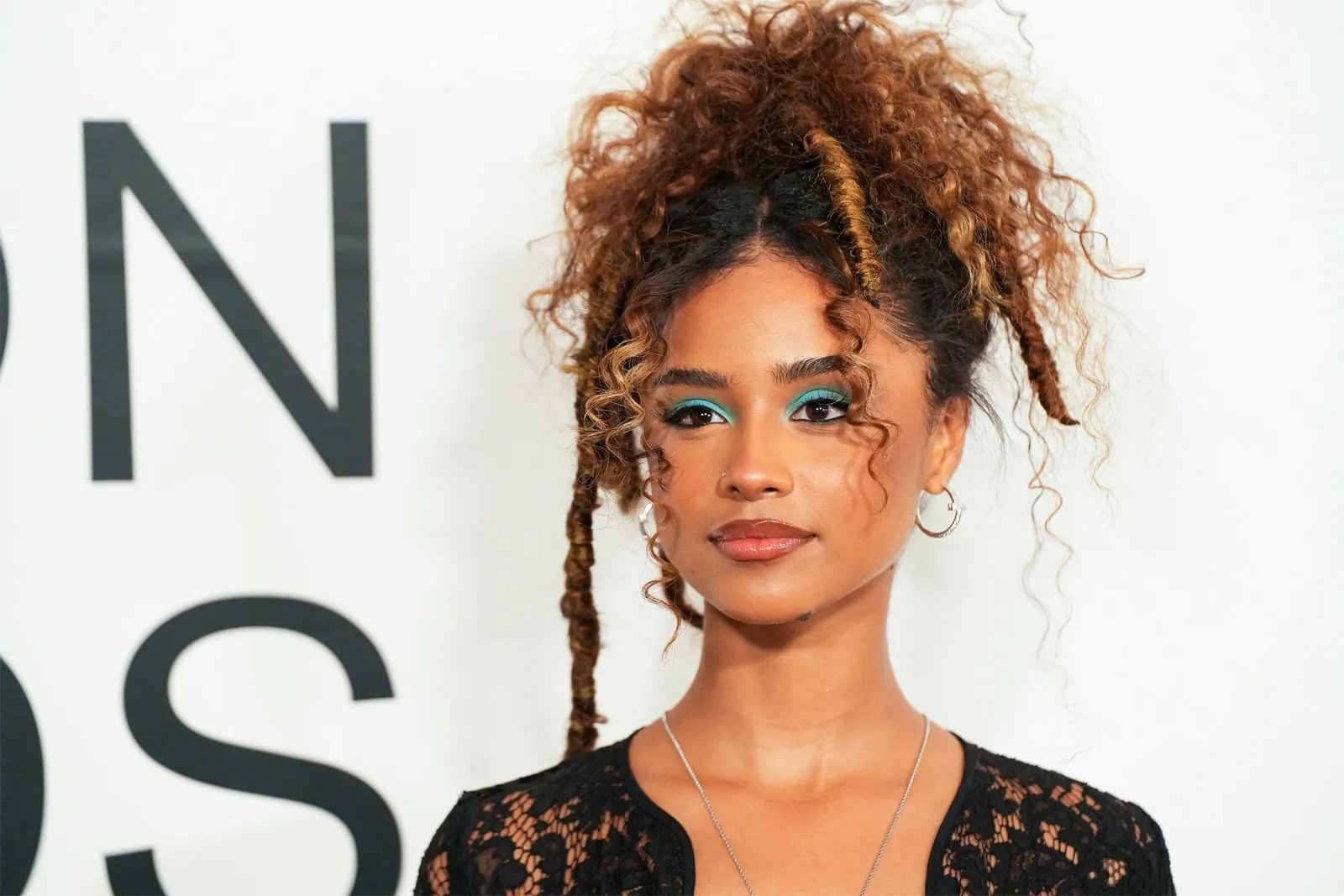
Cultural Identity and Upbringing
Growing up in South Africa exposed Tyla to a wide range of cultural expressions — music, dance, language, and fashion — that inform both her personal identity and her creative work.
- Urban South African youth culture
- Amapiano and Afro-pop music scenes
- Multilingual and multicultural environments
- Contemporary African fashion and dance styles
This environment plays a significant role in how she presents herself artistically.
How Her Heritage Influences Her Music
Rather than focusing on genre boundaries, Tyla’s work reflects cultural fluidity. Her sound feels global while remaining rooted in African rhythms and sensibilities.
| Area | Influence |
|---|---|
| Music style | Afro-pop, amapiano, R&B |
| Dance | South African street and club styles |
| Visuals | African-inspired fashion and aesthetics |
| Global appeal | Local culture with international reach |
This fusion helps explain why conversations about Tyla Ethnicity often connect directly to her artistry.
Public Conversations and Misconceptions
As with many rising stars, Tyla’s identity has been widely discussed online — sometimes inaccurately. Much of this stems from:
- Confusion between race, ethnicity, and nationality
- Global audiences unfamiliar with South African identity categories
- Visual assumptions rather than factual sources
Tyla herself has pushed back against misrepresentation, reinforcing the importance of respecting personal identity.
Tyla’s Perspective on Identity
While she does not constantly address the topic, Tyla has made it clear that:
- She identifies as South African
- She embraces her mixed heritage
- She prefers authenticity over external labels
Her approach reflects a broader shift among younger artists who resist being boxed into simplistic categories.
Why Ethnicity Conversations Matter in Global Music
Discussions about ethnicity aren’t just about curiosity — they reflect larger issues in the entertainment industry.
- Representation of African artists on global stages
- Challenging stereotypes about African identity
- Highlighting cultural diversity within countries
- Encouraging audiences to learn rather than assume
Handled responsibly, these conversations can educate rather than divide.
Understanding Tyla’s background requires nuance, respect, and attention to her own voice. Her story reflects the complexity of modern identity — shaped by culture, place, and personal experience rather than a single label. Ultimately, her heritage enriches her artistry, but it does not define her limits. Appreciating her music means recognizing both where she comes from and where she is going.