

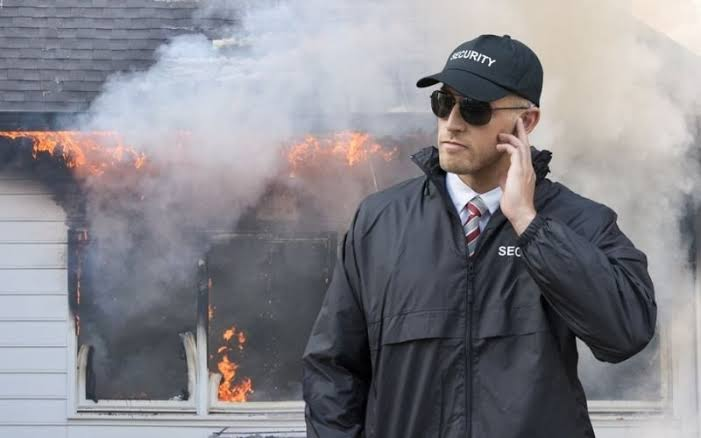
Thick salt air drifts across concrete loading docks at the city port authority building during late shift operations. Maintenance crews discover severe corrosion inside the main emergency water supply valve during a routine system diagnostic check. Securing an experienced fire watch miami team provides immediate operational safety while the entire property remains completely unprotected by automated sprinkler arrays. Flashlights pierce the dark corners of the massive vehicle storage bay were active sparks from repair tools fly near dry packing materials. Onsite inspectors remain highly alert throughout the evening.
Specialized Protective Protocols Throughout Regional Medical Care Facilities
Backup power generators kick on instantly when local electrical substations experience sudden transformer failures during lightning storms. Clinical staff notice burning plastic Odors near the central laboratory refrigeration panels during medication counts. An immediate fire watch deployment team walks through the corridors to ensure critical care wards remain safe while electricians trace shorted circuit links. Safety specialists watch oxygen storage zones carefully to prevent localized sparks from interacting with compressed gas tanks. Guards document environmental conditions on digital clipboards every single hour.
International Maritime Supply Hubs Functional and Operational
Cargo vessels tie heavy mooring lines to wet wooden piers before industrial cranes begin lifting heavy steel shipping crates. Welder’s repair damaged hull plates using high-temperature torches right next to secondary storage units holding flammable hydraulic oils. Log sheets detail every square foot of the terminal floor to track moving hazards during intensive cargo transfers. Port security officers maintain a strict safety perimeter around the active dry dock zones. Relying on a professional fire watch miami guard ensures immediate chemical suppression equipment is deployed if spark barriers fail unexpectedly. Crew members verify the area remains completely cool long after the heavy welding machinery shuts down.
Dynamic Security Asset Outlays and Operational Costs
Facility budgets balance emergency safety fees against potential structural losses from unexpected maintenance delays. High-complexity industrial sites require heavier financial resource investments than small local neighbourhood administrative offices. Certified safety guards demand premium holiday rates during sudden midnight system failure events.
Financial planning teams regularly review operational reports before assigning resources to active properties. Larger facilities often require additional personnel coverage because multiple access points, equipment zones, and restricted work areas remain active throughout extended operating hours. Smaller buildings generally involve fewer monitoring requirements, although unexpected repairs can quickly change staffing expectations.
- Specialized thermal cameras require significant financial investments which elevate overall protection service pricing.
- Experienced protection personnel watch hazardous hot work sites during heavy structural metal grinding.
| Industrial Sector | Primary Vulnerability | Observed Patrol Action |
| Port Terminals | Welding spark drift | Immediate local flame suppression |
| Medical Centres | Generator room overheating | Continuous manual thermal logging |
| Public Libraries | Fragile paper archives | Routine moisture barrier checks |
| Maintenance Hubs | Sprinkler line pressure drop | Hourly physical walking tours |
| Council Chambers | Aging wiring infrastructure | Detailed electrical panel scanning |
Consistent tracking across these municipal properties guarantees that minor electrical faults get discovered before structural integrity fails entirely. Onsite safety guards maintain clear communication lines with local municipal emergency dispatch channels.
FAQs
What primary elements establish the total pricing for emergency safety guards?
Hourly fees depend heavily on the specific hazard level, structural size, and how quickly guards must deploy to the facility.
How do specialized protection teams preserve structural insurance coverage compliance?
Guards provide signed physical safety logs that verify continuous property checks, satisfying strict local regulatory guidelines completely.
Structural preservation requires constant monitoring of small environmental indicators before real hazards compromise a community asset. Experienced safety personnel remain on site to manage unexpected utility shutdowns during severe tropical storm systems. Walking through a secured facility gives public administrators complete reassurance regarding valuable public records. A professional fire watch deployment prevents sudden municipal facility closures by maintaining safety standard compliance. Protecting local infrastructure depends entirely on the constant focus of trained guards who work hard to watch over public spaces.